Plain Weave vs Twill Weave Canvas: What Manufacturers Need to Know
The weave structure of canvas fabric determines its strength, texture, flexibility and end-use suitability. Learn the key differences between plain weave and twill weave canvas, and which applications each serves best in manufacturing.
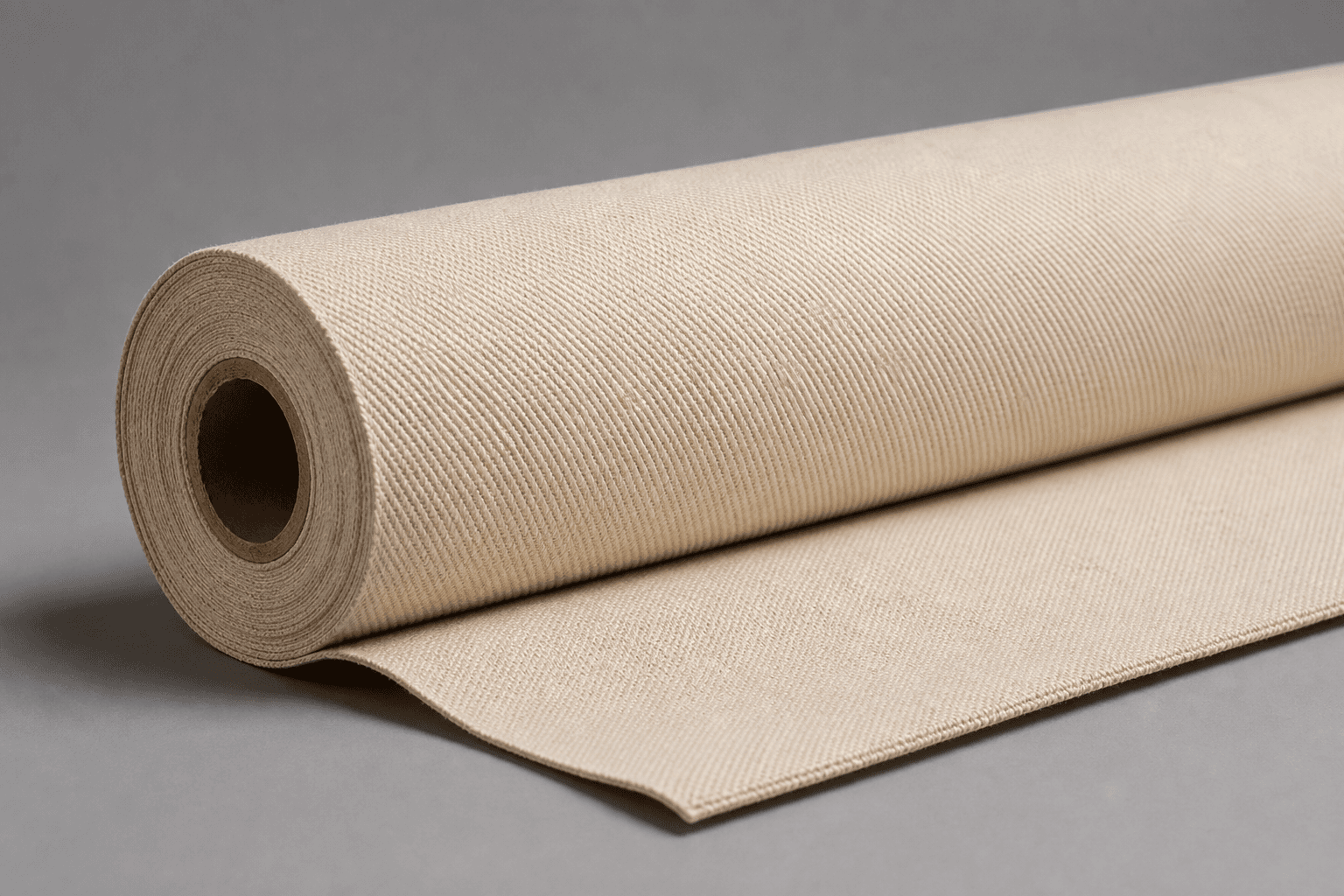
After GSM and fiber composition, the weave structure is the third critical specification that determines how your canvas performs. Yet it's often overlooked by buyers focused primarily on weight and price. Understanding the difference between plain weave and twill weave — and knowing when to specify each — will help you source better fabric and avoid costly mismatches between material and application.
Plain Weave Canvas: Tight, Strong, Structured
In plain weave (also called tabby weave), each weft yarn passes alternately over and under each warp yarn in a simple 1/1 pattern. This creates the highest number of interlacing points of any weave structure — every single intersection is locked. The result is a fabric with maximum structural integrity: excellent dimensional stability, high tear resistance, and a flat, smooth surface ideal for printing.
Plain weave canvas is the go-to choice for: tote bags and backpacks requiring structure, promotional bags that need a smooth print surface, upholstery and home décor where fabric must hold its shape, industrial covers and tarps, and any application where maximum durability per weight is required. The trade-off: plain weave can feel stiffer than twill at the same weight, and it has slightly less drape.
Twill Weave Canvas: Flexible, Soft, Diagonal Character
Twill weave is characterized by its visible diagonal lines, created when the weft yarn passes over two or more warp yarns before going under one (typically in a 2/1 or 3/1 pattern). This structure has fewer interlacing points than plain weave, which allows the yarns to move more freely. The result: a fabric that is noticeably softer, more flexible, and drapes better than plain weave at the same GSM.
Twill weave canvas excels in: workwear and uniforms where wearer comfort matters, casual and fashion bags where softness is a selling point, denim-style products (twill is the weave behind all denim), brushed or peach-finished fabrics where the looser structure allows better fiber raising, and applications requiring good drape with high fabric density. Key point for buyers: twill weave at a given GSM can accommodate higher thread density than plain weave, meaning it can be both heavier AND more flexible — a unique combination.
Manufacturing Considerations for B2B Buyers
1. Printing: Plain weave provides a flatter, more uniform surface for fine-detail screen printing and digital printing. Twill's diagonal texture will show through light prints. 2. Cutting and sewing: Twill's flexibility makes it easier to handle on curved seams and corners — important for bag and apparel manufacturing. 3. Dye penetration: Both weaves dye well, but twill's slightly looser structure can achieve deeper color saturation in piece-dyeing. 4. Abrasion resistance: Plain weave generally offers better surface abrasion resistance due to its tighter structure. 5. Cost: At equivalent specifications, the weaving cost difference is marginal (typically 3-8%), but the real cost impact comes from matching the right weave to the right application — avoiding quality issues and returns.
Production Capability Matters
Not every mill can weave both structures effectively. Plain weave requires consistent yarn tension across all warp ends, while twill weave demands precise timing of the harness movement. Our Picanol GAMMA rapier looms handle both structures with equal precision, and we regularly run plain and twill production side by side. This means B2B buyers can source both weave types from a single supplier, simplifying quality control and logistics.